Who We Are

Discover Bali


Bali is known for its scenery, but its charm goes beyond beaches and landscapes. Temple lanes, rice terraces, coastal cliffs, and quiet coves all show different sides of the island, while daily life remains closely connected to ritual, craft, and community. This gives Bali a depth that feels genuine and lived-in, making it a destination where nature and culture are experienced together rather than separately.
 

  • Currency: Indonesian rupiah (IDR)

  • Capital City: Denpasar

  • Language: Indonesian and Balinese are widely spoken, while English is generally understood in major tourist areas.

  • Time Zone: WITA, UTC+8, 5 Hours ahead of Qatar

  • Climate: Tropical, with dry and wet seasons

  • Best Time to Visit: May to June and September for sunnier weather and easier sightseeing


Bali Climate and Practical Packing
 

The island has a tropical climate with a drier season generally from April to October and a wetter season from November to March, with warm temperatures year-round. May, June, and September are often especially pleasant for sightseeing, beach time, and outdoor excursions, with sunshine, lower humidity, and fewer downpours than the wetter months.

Light breathable clothing works well, but a shawl or modest layer is useful for temples, and a light rain jacket, sun protection, sandals, and insect repellent are practical year-round.


Flavours That Carry the Spirit of Bali
 

Bali’s authentic local food is full of spice, aroma, and slow-cooked flavour, with dishes that reflect the island’s strong local food culture.
 

  • Ayam betutu: One of the island’s signature dishes, made with chicken cooked in rich Balinese spices

  • Sate lilit: Local-style satay made from minced meat or seafood wrapped around lemongrass sticks.

  • Nasi campur: Popular mixed rice dish served with small portions of vegetables, sambal, meat, or seafood, giving a good taste of everyday Balinese flavours.

  • Lawar: Traditional dish made with vegetables, grated coconut, herbs, and spices.

  • Ikan Nyat-Nyat: A Balinese fish dish cooked with rich local spices, often enjoyed for its bold flavour and island-style preparation.

For halal preferences, ingredients should be checked in advance, as traditional recipes may vary.


Getting Around Bali
 

Getting around usually works best by private driver, hotel transfer, or ride apps rather than relying on public transport, and even short distances can take longer than expected because of traffic, especially in the south. Plan activities by area where possible, and keep a little flexibility in the schedule, as Bali is far more enjoyable when it is paced with the island rather than rushed through it.


Bali Experiences for Every Travel Rhythm
 

Bali can be experienced in many ways, and that is part of its appeal. A day may begin with sunrise on Mount Batur, continue through Ubud’s rice fields, and end by the cliffs of Uluwatu or beside the sea at Tanah Lot. Temple visits, traditional dance, surfing, spa stays, waterfalls, beach clubs, and boat trips to Nusa Penida all add different layers to the island.

Whether the journey is planned for a honeymoon, family holiday, wellness escape, or a culture-rich island break, Bali allows each itinerary to feel personal, balanced, and easy to enjoy.


​​​​​

Tanah Lot

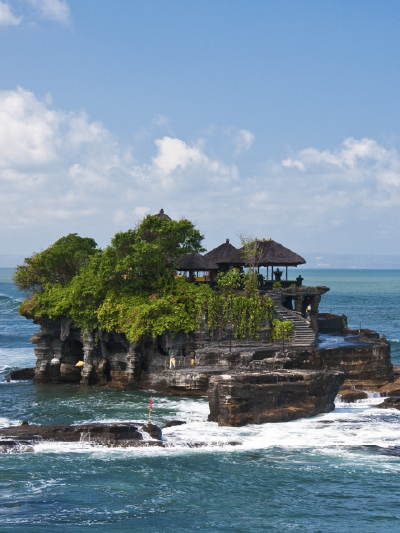
Tanah Lot is one of Bali’s best-known landmarks, a sea temple that appears to float offshore when the tide rises. Its appeal lies in both its spiritual importance and its setting, and sunset is the time most visitors choose to experience its full character.

Uluwatu Temple

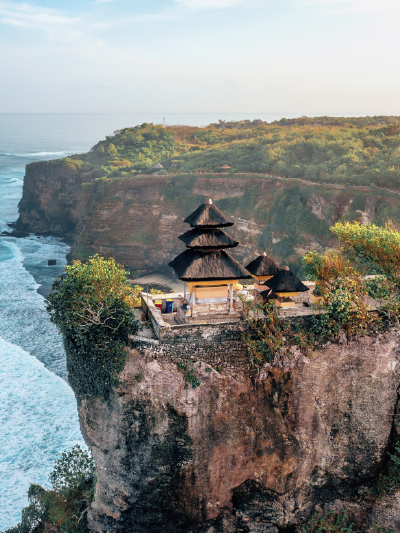
Set high on a dramatic limestone cliff above the Indian Ocean, Uluwatu is one of Bali’s most revered sea temples. It is especially memorable in the late afternoon, when the light softens, the waves turn silver below, and the Kecak performance adds atmosphere to sunset views.

Sacred Monkey Forest Sanctuary

More than a wildlife stop, the Monkey Forest is a temple complex and nature reserve woven into Ubud’s cultural life. Shaded paths, moss-covered statues, and temple structures give it a strong sense of place, and morning visits are usually more comfortable and less crowded.

Mount Batur

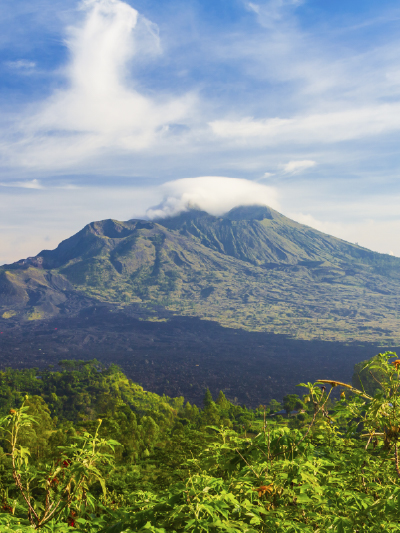
Mount Batur draws travellers for its early-morning ascent and wide volcanic views. The sunrise trek is the main reason people come, especially those who enjoy active experiences, and clear dry-season mornings usually offer the best visibility across the caldera and lake.

Tegallalang Rice Terrace

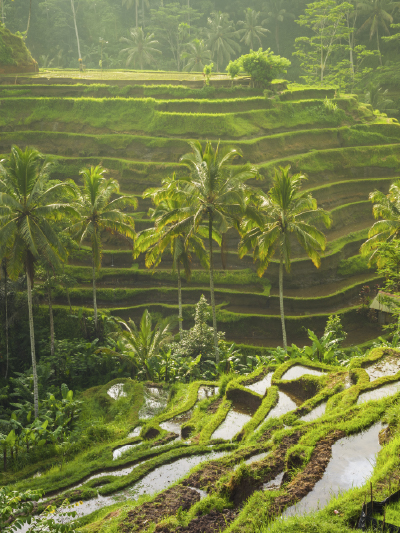
North of Ubud, Tegallalang is one of Bali’s most photographed landscapes, known for its layered green terraces and sculpted valley views. It suits travellers who want a short scenic stop, a gentle walk, or an early morning visit before the busiest hours.

Besakih Temple

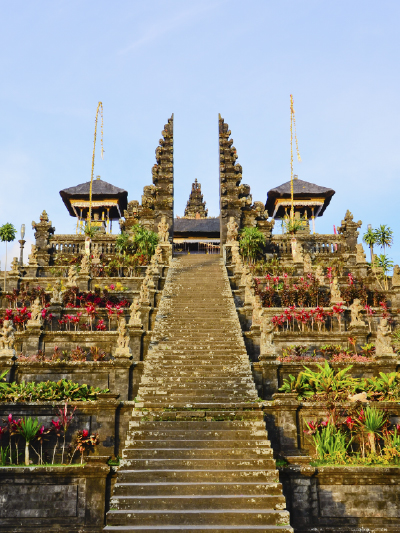
Known as Bali’s Mother Temple, Besakih sits high on the slopes of Mount Agung and carries island-wide religious importance. It is best for travellers who want a deeper cultural visit, with clearer views and a calmer atmosphere often found earlier in the day.

Jatiluwih Rice Terraces

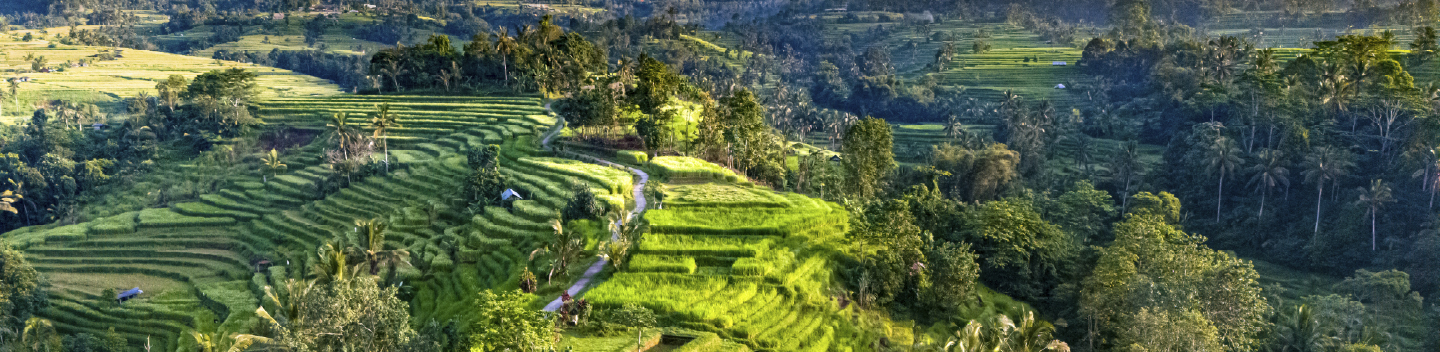
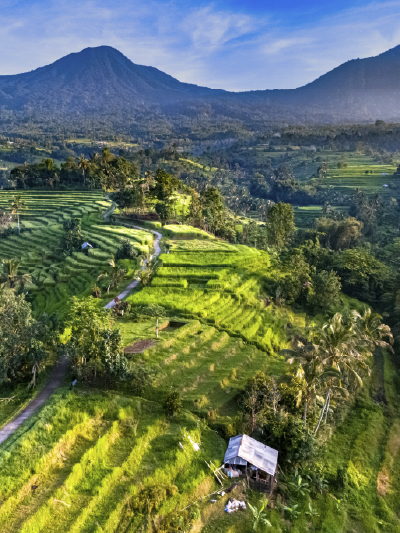
Jatiluwih offers a broader, quieter, and more expansive rice-terrace experience than the better-known spots closer to Ubud. As part of Bali’s UNESCO-listed cultural landscape, it reveals the subak system in a setting that rewards walking, open views, and unhurried time.

Kelingking Beach

Kelingking has become one of the most recognised coastal viewpoints linked with Bali, known for its steep headland and striking turquoise water. Most visitors come for the cliff-top view rather than the descent, and clear daylight hours show its dramatic shape at its best.

Attractions

Tanah Lot
Tanah Lot

Tanah Lot is one of Bali’s best-known landmarks, a sea temple that appears to float offshore when the tide rises. Its appeal lies in both its spiritual importance and its setting, and sunset is the time most visitors choose to experience its full character.

Uluwatu Temple
Uluwatu Temple

Set high on a dramatic limestone cliff above the Indian Ocean, Uluwatu is one of Bali’s most revered sea temples. It is especially memorable in the late afternoon, when the light softens, the waves turn silver below, and the Kecak performance adds atmosphere to sunset views.

Sacred Monkey Forest Sanctuary

More than a wildlife stop, the Monkey Forest is a temple complex and nature reserve woven into Ubud’s cultural life. Shaded paths, moss-covered statues, and temple structures give it a strong sense of place, and morning visits are usually more comfortable and less crowded.

Mount Batur
Mount Batur

Mount Batur draws travellers for its early-morning ascent and wide volcanic views. The sunrise trek is the main reason people come, especially those who enjoy active experiences, and clear dry-season mornings usually offer the best visibility across the caldera and lake.

Tegallalang Rice Terrace

North of Ubud, Tegallalang is one of Bali’s most photographed landscapes, known for its layered green terraces and sculpted valley views. It suits travellers who want a short scenic stop, a gentle walk, or an early morning visit before the busiest hours.

Besakih Temple
Besakih Temple

Known as Bali’s Mother Temple, Besakih sits high on the slopes of Mount Agung and carries island-wide religious importance. It is best for travellers who want a deeper cultural visit, with clearer views and a calmer atmosphere often found earlier in the day.

Jatiluwih Rice Terraces

Jatiluwih offers a broader, quieter, and more expansive rice-terrace experience than the better-known spots closer to Ubud. As part of Bali’s UNESCO-listed cultural landscape, it reveals the subak system in a setting that rewards walking, open views, and unhurried time.

Kelingking Beach
Kelingking Beach

Kelingking has become one of the most recognised coastal viewpoints linked with Bali, known for its steep headland and striking turquoise water. Most visitors come for the cliff-top view rather than the descent, and clear daylight hours show its dramatic shape at its best.

Related Packages