Discover Georgia
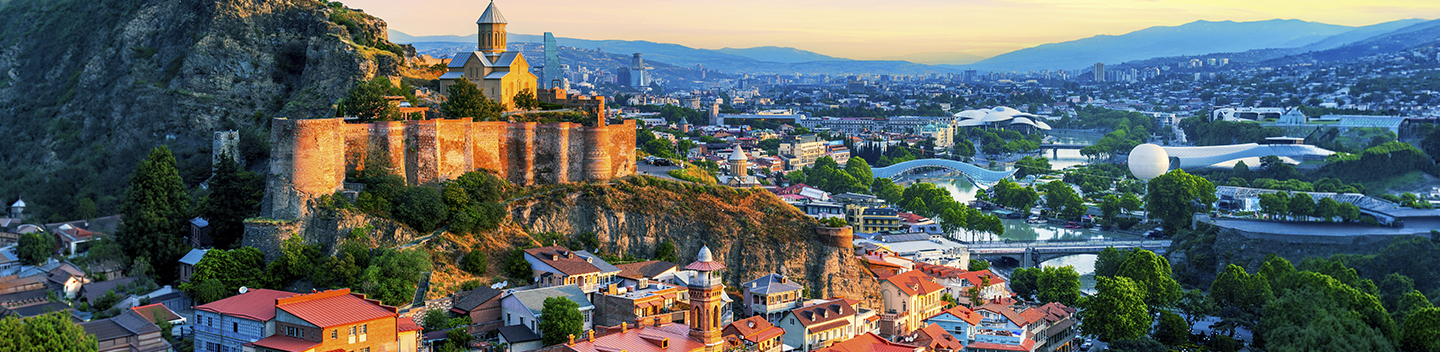
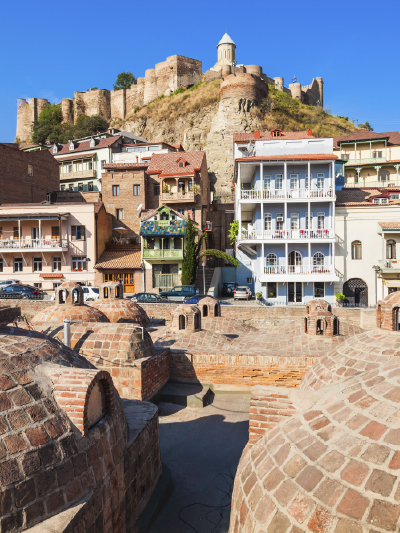
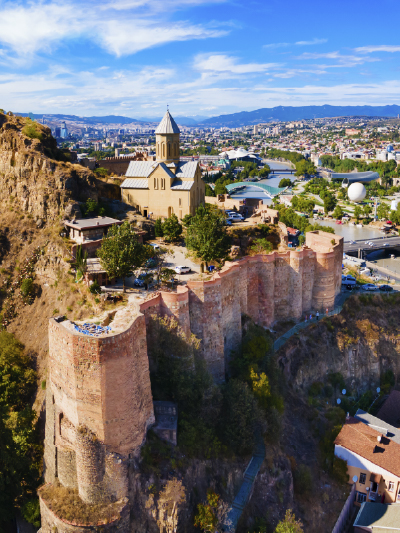
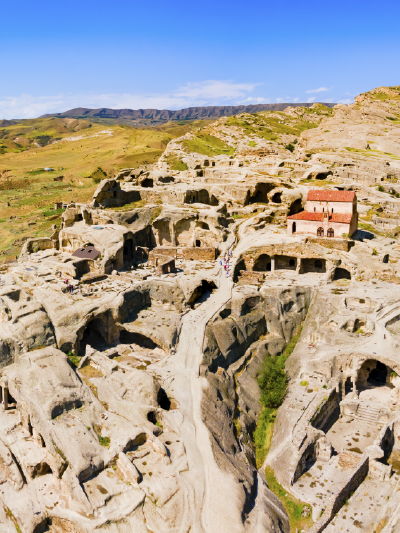
Georgia is a destination of mountain views, old streets, vineyard valleys, monasteries, and warm local character. In Tbilisi, carved balconies, hillside churches, sulfur bath domes, and café-lined lanes create a city full of texture, while the regions beyond the capital open into highland roads, canyons, caves, ski slopes, and the Black Sea coast.
Currency: Georgian Lari (GEL)
Capital City: Tbilisi
Language: Georgian is widely spoken, Russian is understood by many locals, and English is generally useful in major tourist areas and visitor services.
Time Zone: UTC+4, 1 hour ahead of Qatar
Climate: Varied by region, with warm cities, cooler mountain areas, Black Sea coast weather, and snowy winter resorts
Best Time to Visit: April to early June and September to November for general travel; summer for mountains and the Black Sea coast; winter for skiing
Georgia Climate and Practical Packing
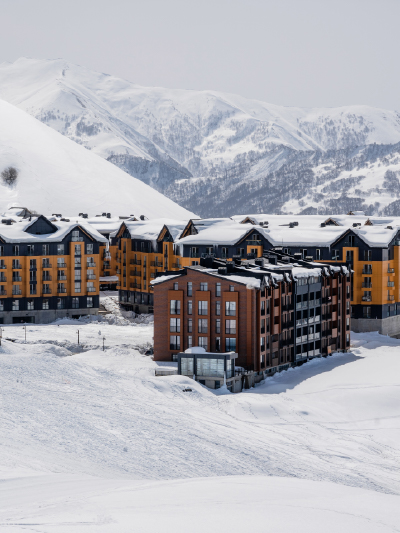
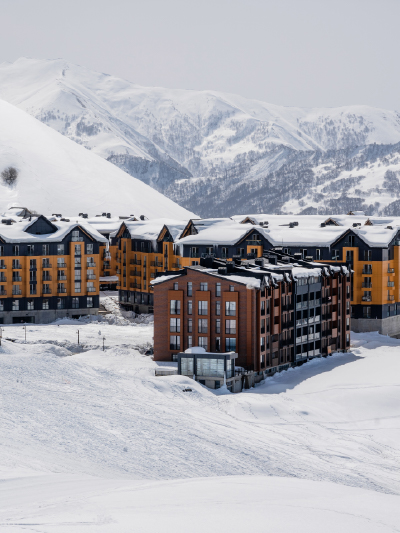
Georgia’s climate changes by region, so packing depends on the route. Spring and autumn are usually the most comfortable seasons for Tbilisi, cultural sightseeing, Kakheti, and scenic drives, while summer is good for mountain escapes and Batumi’s Black Sea coast. Winter is best for snow-based trips, especially in Gudauri.
Comfortable walking shoes, light layers, and a rain jacket are useful for most trips. In summer, breathable clothing works well in the cities, but mountain areas can still feel cool in the mornings and evenings. For winter travel or highland routes, warmer clothing is important.
Flavours of Georgian Hospitality
Georgian food is rich, comforting, and closely connected to family-style dining, with dishes built around bread, cheese, herbs, walnuts, spices, vegetables, and local traditions.
Khachapuri: A famous Georgian cheese-filled bread, with different regional styles, including the boat-shaped Adjarian version.
Khinkali: Traditional Georgian dumplings filled with seasoned meat, mushrooms, cheese, or potato, usually eaten by hand.
Lobio: A hearty bean dish often served with herbs, spices, and Georgian cornbread.
Pkhali: A colourful dish made with vegetables, walnuts, garlic, herbs, and spices, usually served cold.
Churchkhela: A traditional Georgian sweet made by dipping strings of nuts into thickened grape juice, then drying them into a chewy, energy-rich snack.
These dishes offer a clear taste of Georgia’s local identity, generous table culture, and warm hospitality. For halal preferences, ingredients and meat types should be checked in advance.
Getting Around Georgia
Tbilisi is easy to move around by metro, bus, taxi, and ride apps. Trains are useful for selected routes between major cities such as Tbilisi, Kutaisi, and Batumi, while longer journeys or regional sightseeing often work better with private transfers or guided day trips.
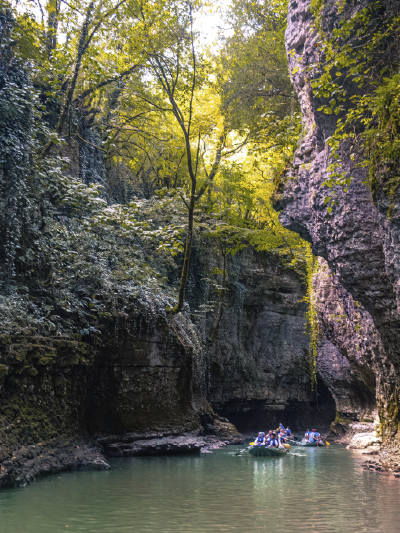
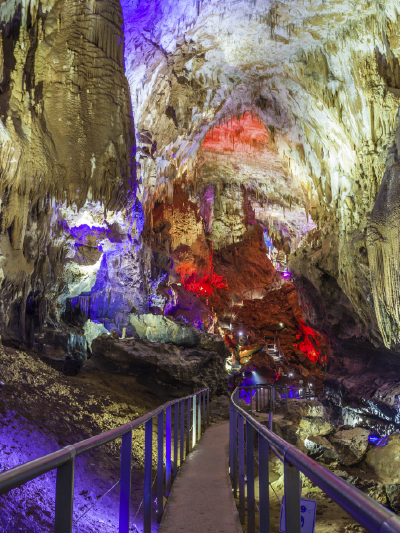
Places such as Gergeti Trinity Church, Gudauri, Kakheti wineries, Martvili Canyon, Prometheus Cave, and mountain routes can take longer than expected because of road conditions and terrain. A little flexibility makes the trip smoother, especially when visiting highland areas.
Georgia Experiences Across Mountains, Culture, and Coast
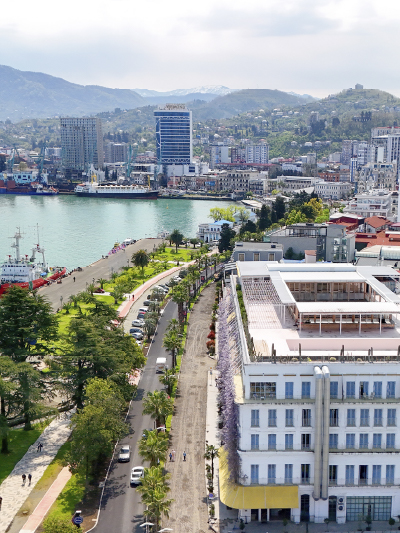
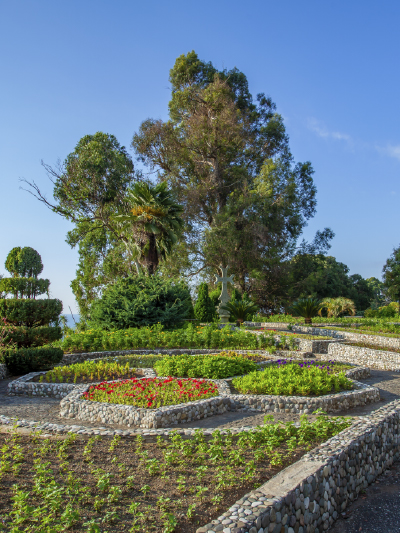
Georgia is best experienced through its variety. A journey may begin in Old Tbilisi, continue to the spiritual heritage of Mtskheta, move north toward Gergeti Trinity Church and Mount Kazbegi, then shift into Kakheti’s countryside or west toward Kutaisi’s caves and Batumi’s Black Sea promenade.
The country suits those who enjoy mountain scenery, culture, photography, local food, road trips, winter sports, and relaxed city stays. With the right pacing, Georgia feels easy to settle into while still offering plenty to discover.