Discover Azerbaijan
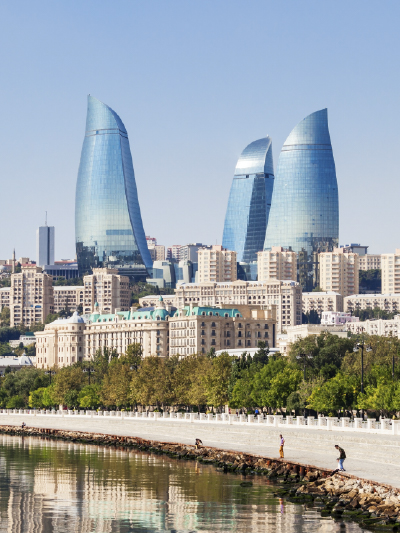
Azerbaijan is a destination of strong contrasts, where Baku’s historic stone lanes, modern skyline, Caspian coastline, fire-linked landscapes, and mountain regions all come together in one journey. In the capital, the old city sits close to bold contemporary architecture, while the areas beyond Baku open into mud volcanoes, ancient rock art, forested hills, ski resorts, and Silk Road heritage.
Currency: Azerbaijani manat (AZN)
Capital City: Baku
Language: Azerbaijani is widely spoken, Russian is understood by many locals, and English is generally useful in Baku, hotels, airports, restaurants, and visitor services.
Time Zone: UTC+4, 1 hour ahead of Qatar
Climate: Windy Caspian coast, hot lowlands in summer, and cooler mountain regions, with weather varying by area
Best Time to Visit: Late spring and early autumn for most trips; winter for mountain snow experiences
Azerbaijan Climate and Practical Packing
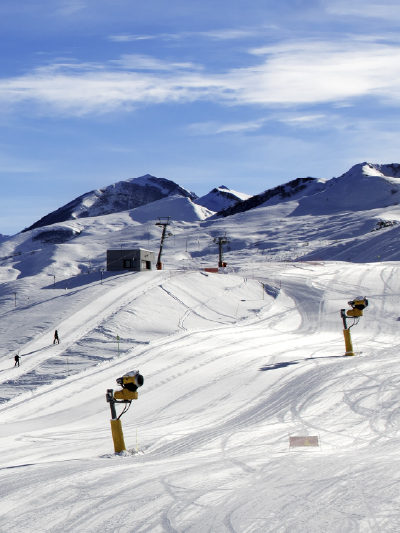
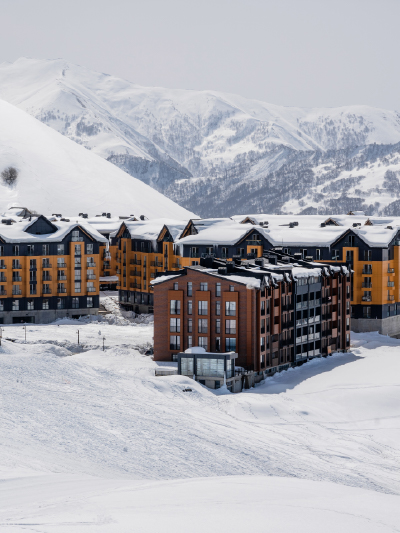
Azerbaijan’s weather changes by region, so the travel experience depends on the route. Baku can feel windy throughout the year, the lowlands become hot in summer, and mountain areas stay cooler, especially in the evenings. Late spring and early autumn are usually the most comfortable periods for city walks, cultural sightseeing, scenic drives, and longer road journeys, while winter is best for snow stays around Shahdag.
Comfortable walking shoes, light layers, sun protection, and a small jacket are useful for most trips. If the itinerary includes mountain areas, warmer clothing may be needed even when Baku feels mild.
Local Flavours of Azerbaijan
Azerbaijani food is generous, comforting, and closely connected to hospitality, with dishes shaped by rice, herbs, meat, bread, seasonal vegetables, sweets, and tea traditions.
Plov: One of Azerbaijan’s most important dishes, made with fragrant rice and often served with meat, dried fruits, chestnuts, or saffron.
Qutab: A thin stuffed flatbread filled with greens, meat, cheese, or pumpkin, then cooked on a griddle.
Dolma: Grape leaves or vegetables filled with minced meat, rice, herbs, and spices.
Piti: A slow-cooked stew from Sheki, traditionally made with lamb, chickpeas, chestnuts, and saffron.
Pakhlava: A layered sweet pastry made with nuts, syrup, and spices, often enjoyed with tea and during festive occasions.
Together, these dishes give a clear taste of Azerbaijan’s warmth, patience, and strong table culture. For dietary preferences, ingredients and meat types should be checked in advance.
Getting Around Azerbaijan
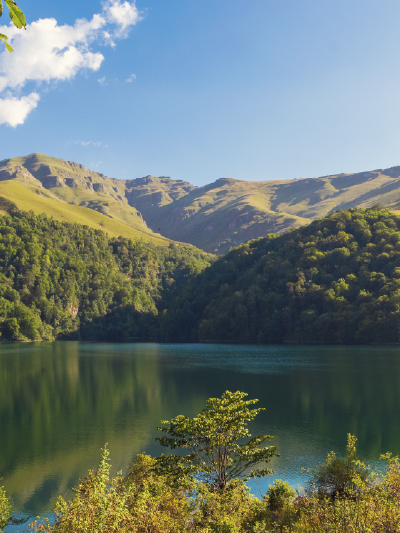
Getting around Azerbaijan depends on whether the trip stays mainly in Baku or includes regional travel. In Baku, the metro, buses, taxis, and ride apps are practical for city journeys. Nearby sights such as Ateshgah, Yanar Dag, and Gobustan are often easiest by taxi, private transfer, or guided day trip, while farther places such as Sheki, Shahdag, and Lake Goygol usually need more planning through private transfers, trains, or buses. Distances can take more time than expected, so planning routes in advance helps the journey feel smoother.
Azerbaijan Experiences Across Fire, History, and Mountains
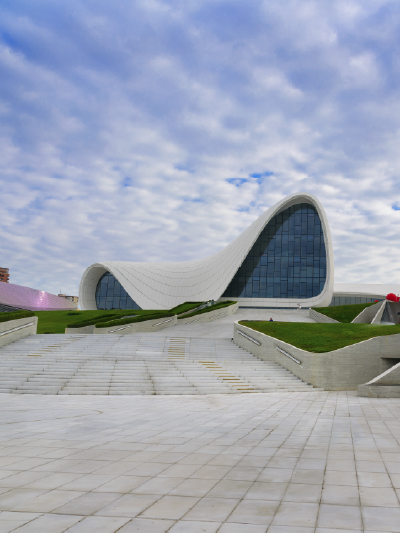
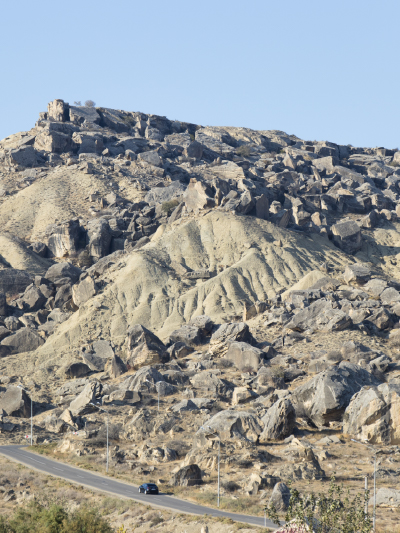
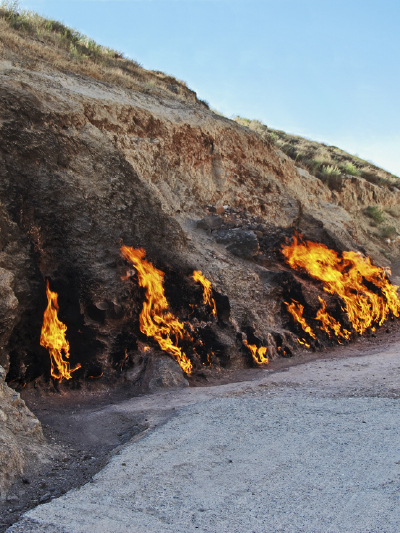
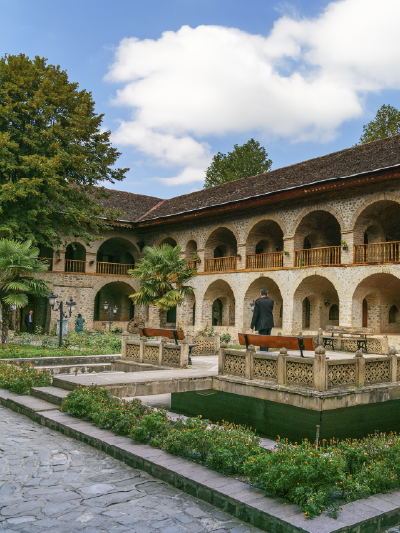
Azerbaijan is best experienced through its contrasts. A journey may begin in Icherisheher with the Maiden Tower and Palace of the Shirvanshahs, continue to the modern curves of the Heydar Aliyev Centre, then move outward to Gobustan’s rock engravings, the fire temple of Ateshgah, the flames of Yanar Dag, and the caravanserai heritage of Sheki.
The country suits those who enjoy architecture, history, cultural sites, mountain scenery, winter resorts, photography, and road trips with a sense of discovery. With the right pacing, Azerbaijan feels compact enough to explore comfortably while still offering variety at every stage.