Discover Maldives
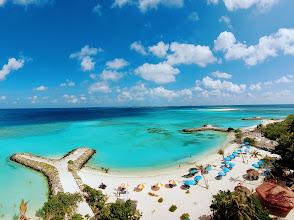
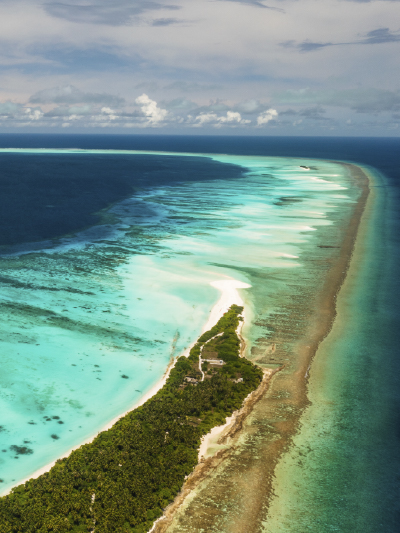
The Maldives is a destination shaped by clear lagoons, white sand islands, coral reefs, and the calm rhythm of the Indian Ocean. Its beauty feels simple at first, but the experience becomes richer through quiet beaches, marine life, island hospitality, and a close connection to the sea.
Currency: Maldivian rufiyaa (MVR)
Capital City: Malé
Language: Dhivehi is widely spoken locally, while English is commonly used in resorts, guesthouses, airports, and visitor services.
Time Zone: UTC+5, 2 hours ahead of Qatar
Climate: Hot tropical climate year-round, with drier and wetter monsoon seasons
Best Time to Visit: December to April for generally sunnier weather and calmer sea conditions
Maldives Climate and Practical Packing
The Maldives stays warm throughout the year, with weather shaped by two main monsoon seasons. December to April is usually the most popular period for beach holidays, with clearer skies and calmer seas more likely. May to October is generally wetter, with short tropical showers, stronger winds, and less predictable sea conditions, while November is a transition month as the weather gradually moves toward the drier season.
Light breathable clothing, swimwear, sandals, sunglasses, and strong sun protection are essential. A light cover-up, waterproof pouch, and modest clothing are useful for boat transfers, Malé visits, and local-island stays.
Local Flavours of the Maldives
Maldivian food is closely connected to the sea, with tuna, coconut, chilli, lime, rice, and flatbreads appearing often in local dishes.
Mas Huni: A traditional Maldivian breakfast made with shredded tuna, grated coconut, onion, chilli, and lime, usually served with roshi flatbread.
Garudhiya: A clear tuna broth served with rice, lime, chilli, and onion, known for its simple and comforting flavour.
Mas Riha: A Maldivian fish curry made with tuna, coconut, spices, and curry leaves.
Hedhikaa: A selection of local short eats, often enjoyed with tea, including savoury snacks filled with fish, coconut, or spices.
Rihaakuru: A thick fish paste made by slow-cooking tuna, often used as a strong local flavour in Maldivian meals.
Together, these dishes give a clear taste of Maldivian island life, where seafood, coconut, and bold simple flavours are central to the table. For dietary preferences, ingredients should be checked in advance, especially on local islands or during shared dining experiences.
Getting Around Maldives
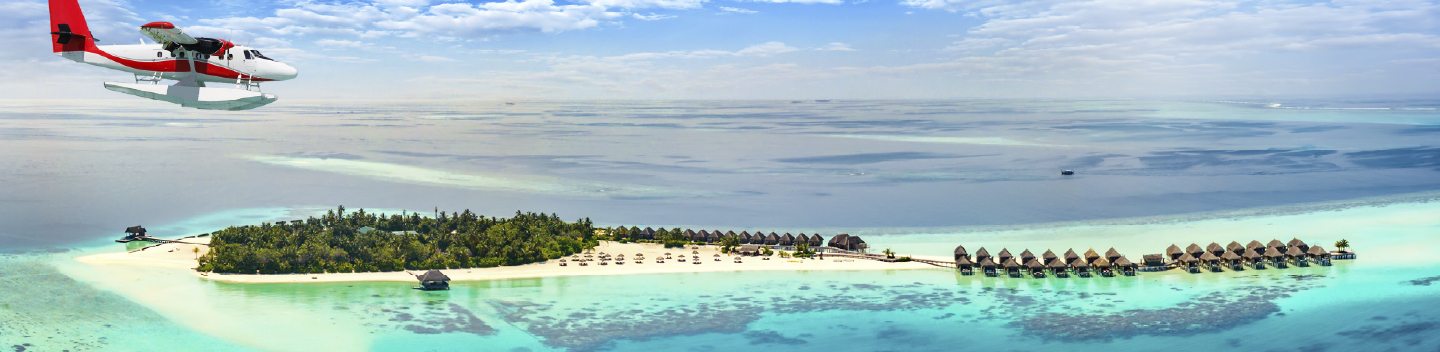
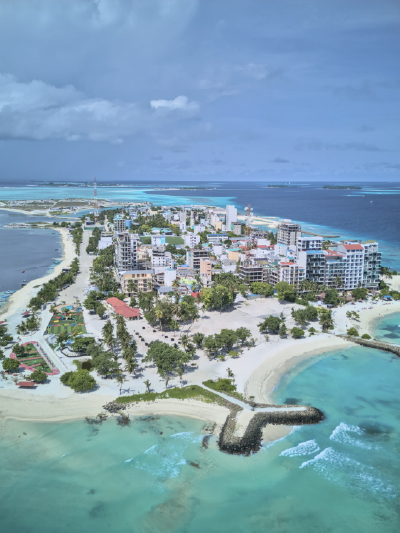
Getting around the Maldives is mainly arranged around island transfers. Most visitors arrive through Velana International Airport near Malé, then continue to their resort or island by speedboat, domestic flight, or seaplane, depending on the distance. Transfers are usually arranged in advance by the resort or hotel, and timing matters because some services, especially seaplanes and local ferries, follow fixed schedules or operate during limited hours. In Malé and nearby areas, taxis, walking, and short ferry connections are practical, while travel between islands is best planned before arrival for a smoother journey.
Maldives Experiences Across Lagoons, Reefs, and Island Escapes
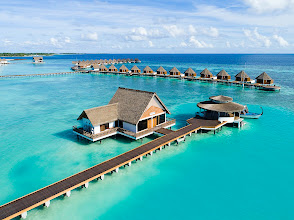
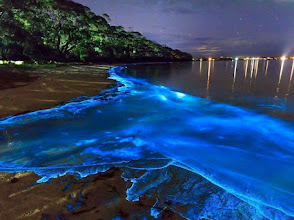
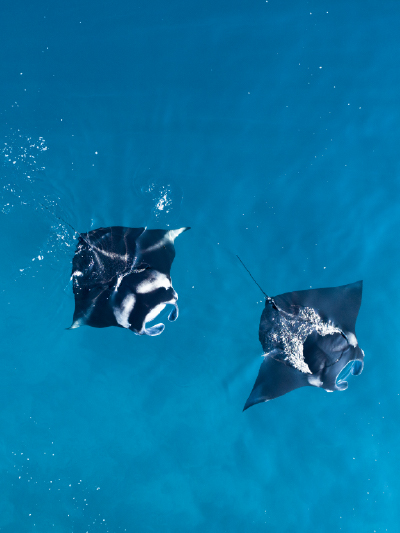
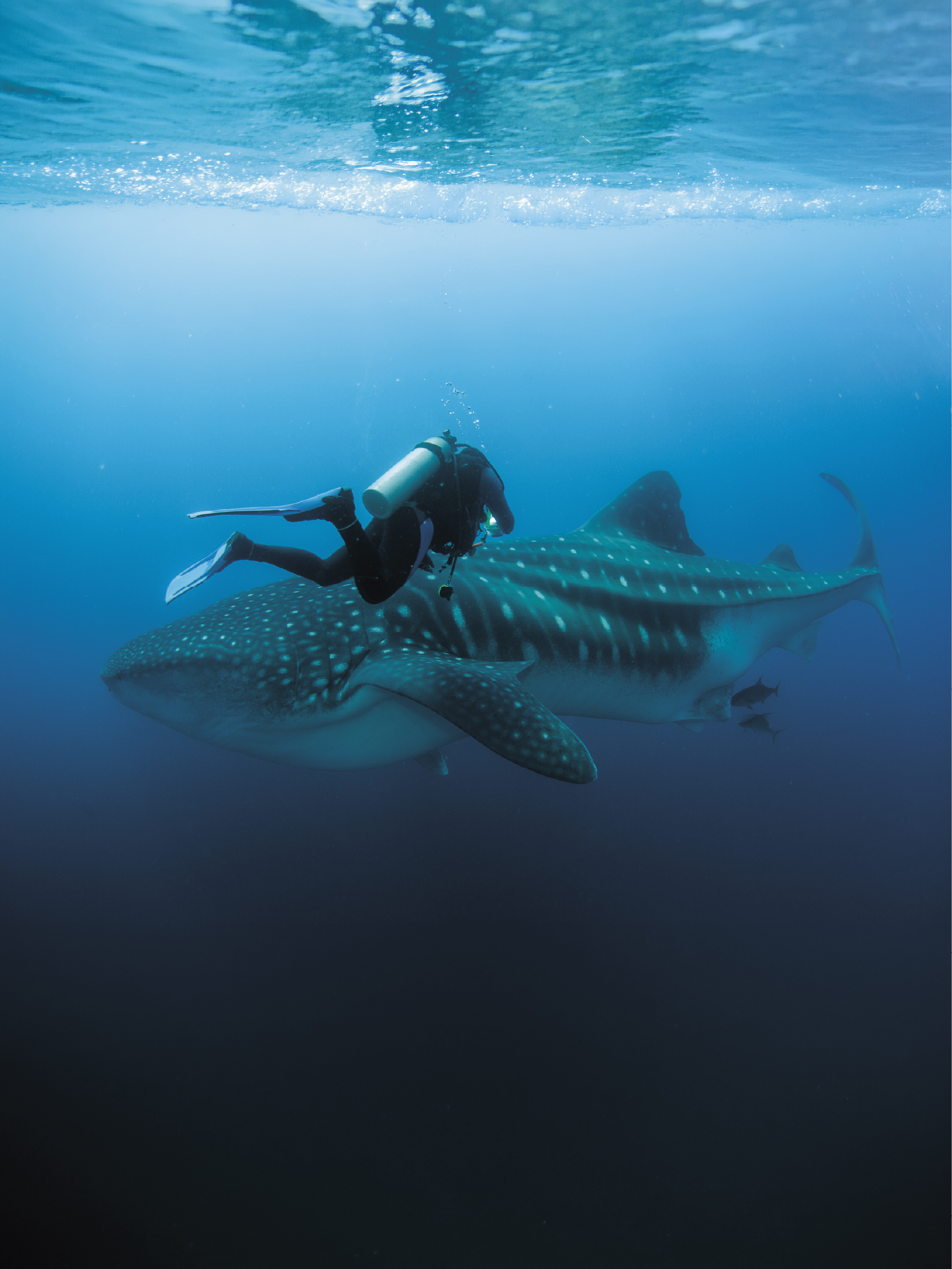
The Maldives is best experienced at an unhurried pace. A journey may include snorkelling over house reefs, diving at famous sites such as Banana Reef, looking for manta rays around Hanifaru Bay, spotting whale sharks in South Ari Atoll, visiting a sandbank, enjoying a sunset cruise, or relaxing in an overwater villa.
The destination suits honeymooners, families, divers, and travellers looking for privacy, clear water, marine life, and resort comfort. With the right island and resort choice, the Maldives can feel peaceful, personal, and easy to enjoy.