Discover Sri Lanka
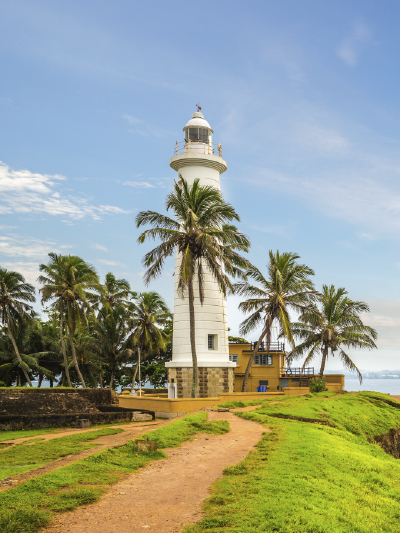
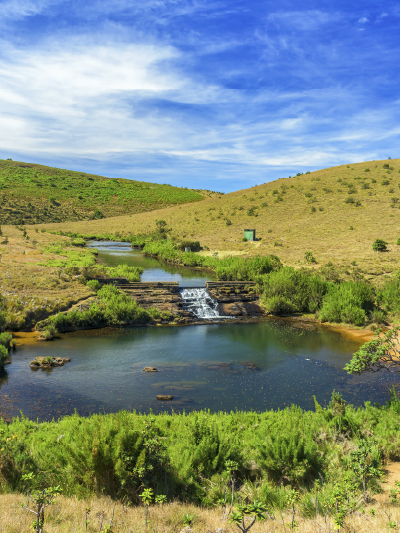
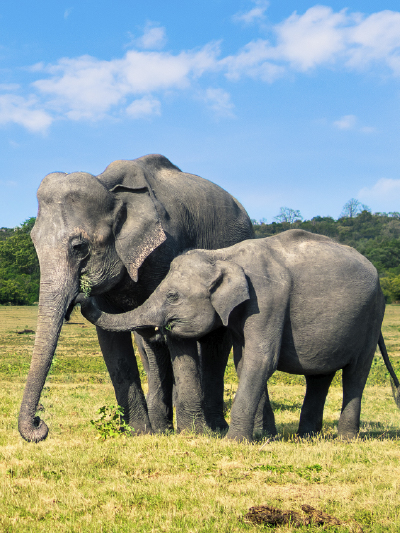
Sri Lanka is an island of changing landscapes, where golden coasts, tea-covered hills, ancient temples, wildlife parks, and colonial streets can all fit into one journey. The country feels compact on the map, but each region brings a different mood, from the cultural depth of Kandy and Sigiriya to the cool beauty of Ella, the heritage streets of Galle, and the beaches of the south coast.
Currency: Sri Lankan rupee (LKR)
Capital City: Sri Jayewardenepura Kotte
Commercial Capital: Colombo
Language: Sinhala and Tamil are widely used, while English is commonly understood in hotels, transport hubs, tourist areas, and many signs.
Time Zone: GMT+5:30, 30 minutes ahead of Qatar
Climate: Tropical lowlands, cooler central hills, with region-based monsoon seasons
Best Time to Visit: December to April for many classic routes covering Colombo, Kandy, Ella, Galle, and the south coast; May to September is often better for the east coast.
Sri Lanka Climate and Practical Packing
Sri Lanka’s weather changes by region, so the best season depends on the route. The south and west coasts, along with the hill country, are generally better from December to March or April, while the east coast is often stronger from May to September. The lowlands stay warm and tropical, while the central hills can feel much cooler, especially in the mornings and evenings.
Light breathable clothing works well for coastal areas, but modest clothing is important for temples. Comfortable walking shoes, sun protection, insect repellent, and one light layer are practical, especially if the itinerary includes Kandy, Nuwara Eliya, Ella, or early morning sightseeing.
Local Flavours of Sri Lanka
Sri Lankan food is rich in spice, coconut, rice, and fresh local ingredients, with dishes that reflect the island’s cultural mix and strong home-style food traditions.
Rice and Curry: A classic Sri Lankan meal served with rice, vegetables, dhal, sambols, and meat, fish, or seafood depending on preference.
Hoppers: Bowl-shaped pancakes made from fermented rice flour batter, often served plain or with an egg in the centre.
String Hoppers: Thin steamed rice-flour noodles usually eaten with curry, dhal, or coconut sambol.
Kottu Roti: A popular street-style dish made with chopped roti, vegetables, egg, meat, or seafood cooked together on a hot griddle.
Fish Ambul Thiyal: A traditional sour fish curry, known for its bold spice and tangy flavour.
Together, these dishes give a clear taste of Sri Lanka’s everyday food culture, where spice, texture, and warm hospitality are central to the meal.
Getting Around Sri Lanka
Distances in Sri Lanka can look short on the map, but road journeys often take longer than expected because of terrain, traffic, and winding routes. Private transfers are usually the most practical choice for multi-stop itineraries, especially when combining Colombo, Kandy, Sigiriya, Ella, Galle, and the south coast.
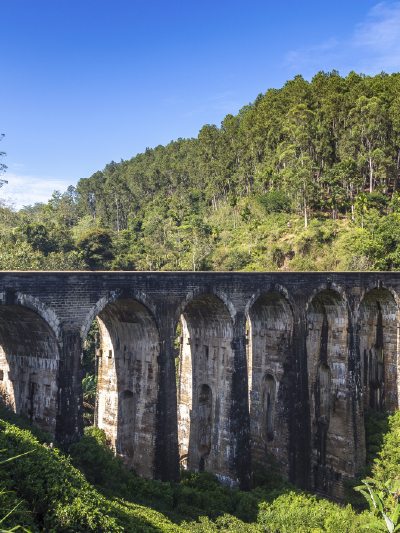
Trains are best used for selected scenic routes, especially through the hill country between Kandy, Nuwara Eliya, and Ella. Taxis and tuk-tuks are useful within towns, while major sightseeing days are smoother when transport is arranged in advance.
Sri Lanka Experiences Across Coast, Culture, and Hills
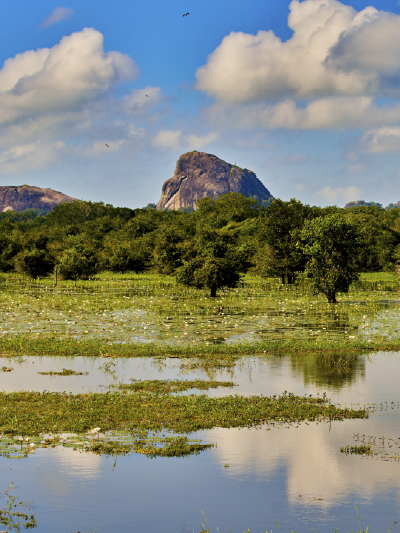
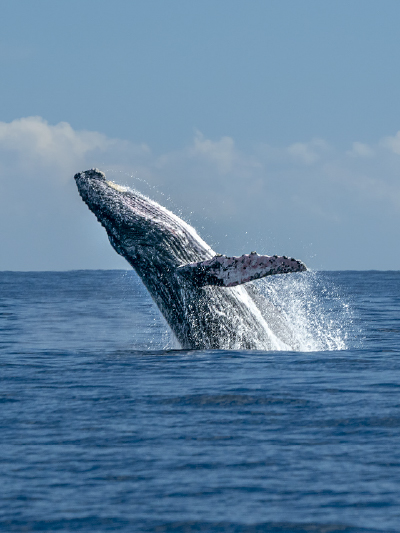
Sri Lanka works beautifully for itineraries that combine different travel moods. A journey may begin with ancient heritage at Sigiriya or Dambulla, continue to Kandy’s sacred sites, move through tea country by train, and end with beaches, whale watching, or Galle’s colonial charm.
The island suits travellers who enjoy variety in one trip, including culture, wildlife, beaches, scenic train journeys, soft adventure, and cooler hill-country stays. With the right pacing, Sri Lanka feels full and rewarding without becoming rushed.