



Travel insurance can be a strong support when something unexpected affects a trip, but having a policy does not automatically mean every claim will be approved. Insurance providers review claims based on the selected policy, the covered reason, the documents submitted, the timing of the report, and the conditions mentioned in the policy wording.
At Fahed Tourism, we advise travellers to think about the claim process before the journey begins. A smoother claim does not start after a problem happens. It starts with choosing the right coverage, understanding the policy, keeping proper proof, and knowing what to do if an insured event takes place during the trip.
Claim approval always depends on the insurance provider and the selected plan. The tips below cannot guarantee approval, but they can help travellers avoid common mistakes and submit a stronger, clearer claim.
Read the Policy Before You Travel
The first step is to understand what the travel insurance policy actually covers. Travellers should check the benefits, limits, exclusions, waiting periods, claim conditions, and required documents before departure.
This matters because every coverage area has its own rules. Trip cancellation, travel delay, emergency medical care, baggage loss, passport loss, and other benefits may each require different proof. For example, a travel delay claim may need official delay confirmation, while a medical claim may need hospital invoices and medical reports.
Reading the policy early helps travellers know what is covered, what is not covered, and what steps to follow if something happens abroad.
Choose Coverage That Matches the Trip
A travel insurance policy should match the trip being planned. A short holiday, business trip, family vacation, adventure journey, or long international stay may each need different protection.
Travellers should check whether the policy fits the destination, trip duration, traveller age, planned activities, baggage value, medical needs, and any destination-related insurance requirements. This is important because a claim can only be reviewed under the coverage already included in the selected policy.
Choosing the wrong level of coverage can create problems later. If the trip includes activities, expensive belongings, or higher medical risk, the policy should be checked carefully before travel.
Save the Policy Details and Emergency Contacts
Before travelling, travellers should save the insurance certificate, policy number, claim contact details, and emergency assistance number. These details should be easy to access on the phone and also kept as a backup copy. This is especially important during medical emergencies, hospital admission, medical evacuation, trip interruption, or any situation that needs quick guidance from the insurance provider.
When the traveller already has the right contact details, it becomes easier to report the incident, ask for instructions, and follow the insurer’s process without wasting time.
Keep Proof of Bookings and Payments
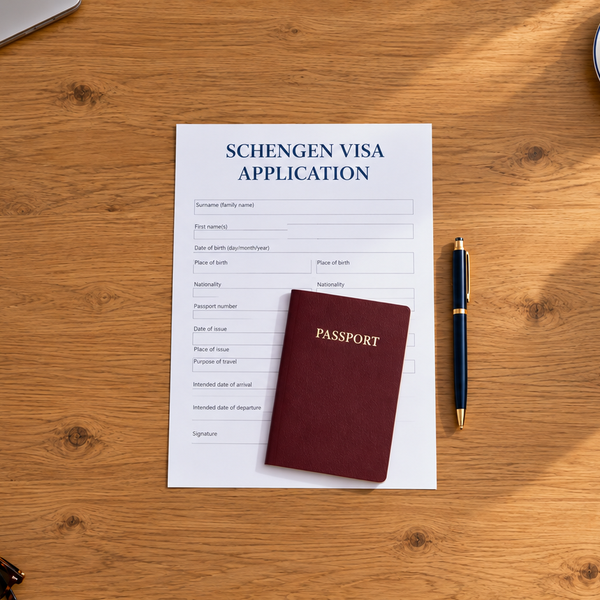
Insurance claims often need proof of what was booked and paid for. Travellers should keep copies of flight tickets, hotel confirmations, package invoices, tour bookings, transfer confirmations, payment receipts, and any other prepaid travel arrangements. This is important for claims such as trip cancellation, travel delay, unscheduled return, or other travel disruption claims. The insurer may need to see the original booking value, payment date, cancellation terms, and whether the amount being claimed is non-refundable.
Without proper booking and payment proof, even a reasonable claim can become difficult to process.
Take Photos of Your Baggage Before Departure
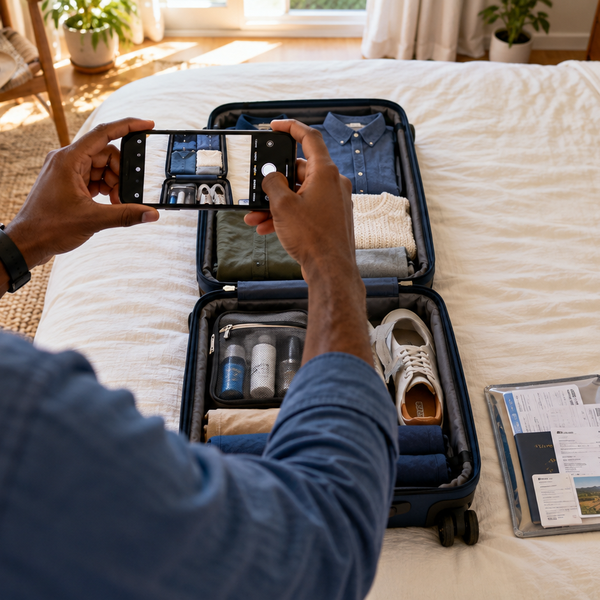
Before closing the suitcase, travellers should take clear photos of the opened baggage showing the items packed inside. It is also useful to take photos of the closed suitcase, including its colour, brand, size, condition, and any identifying marks. This can help if baggage is lost, stolen, or damaged during travel. The photos give a clearer record of what was packed and the condition of the luggage before the journey started.
For valuable items, travellers should also keep purchase receipts where possible and check the policy limits. Some belongings may have separate limits, and not every item may be covered fully.
Keep Baggage Tags and Boarding Passes
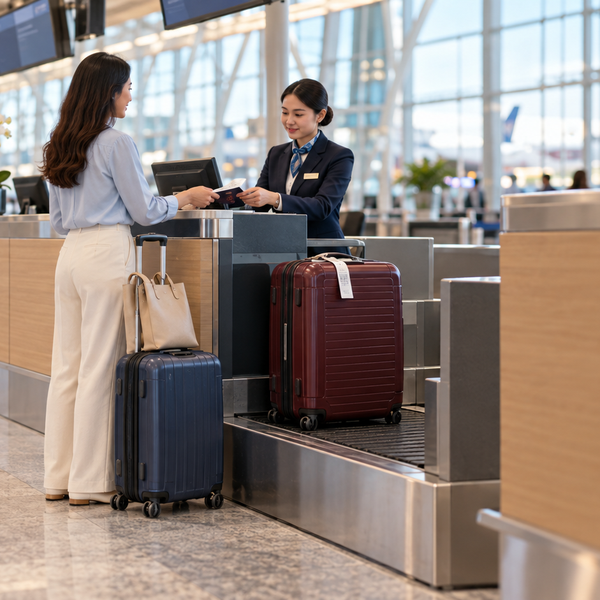
Baggage tags, boarding passes, and check-in documents should be kept until the trip is completed. These documents help prove that the baggage was checked in and linked to the traveller’s journey. This is especially important if baggage is delayed, lost, or damaged. The airline or insurance provider may ask for baggage tag numbers, flight details, and boarding proof when reviewing the case.
Throwing these documents away too early can make a baggage claim harder to support.
Report Incidents Immediately
When something goes wrong, the incident should be reported as quickly as possible to the right authority or service provider. If baggage is delayed, lost, or damaged, travellers should report it to the airline or baggage handling desk before leaving the airport. If belongings are stolen, a police report may be needed. If a passport is lost or stolen, the traveller should follow the official reporting and replacement process in the destination.
Fast reporting helps create an official record of the incident. It also shows that the traveller acted responsibly and followed the correct process.
Collect the Right Official Documents
A strong claim needs proper evidence. Depending on the situation, travellers may need an airline report, baggage irregularity report, police report, medical report, hospital invoice, doctor certificate, travel delay confirmation, passport loss report, or written confirmation from the relevant service provider. These documents should clearly show what happened, when it happened, where it happened, and who was affected. The details should match the claim being submitted.
Official documents are important because they support the traveller’s explanation and help the insurance provider verify the incident.
Contact the Insurer Before Major Arrangements
For serious situations, travellers should contact the insurance provider as early as possible. This is especially important for hospital admission, medical evacuation, unscheduled return, or high-cost emergency arrangements. Some policies may require approval before certain expenses are accepted. Contacting the insurer helps the traveller understand what steps to follow, what documents to collect, and whether approval is needed before making arrangements.
This can reduce the risk of paying for something first and later finding out that the process was not followed correctly.
Keep Receipts for Claim-Related Expenses
Travellers should keep receipts for every expense connected to the claim. This can include medical treatment, medicines, emergency dental care, meals during travel delay, hotel stays caused by delay, essential items during delayed baggage, passport replacement expenses, or rental equipment where applicable. A proper receipt should show the date, item or service, amount paid, and provider details. Card statements alone may not always be enough because they do not clearly explain what was purchased.
The expense should also be reasonable and directly connected to the covered incident.
Submit a Clear and Complete Claim
When submitting the claim, the explanation should be simple, clear, and supported by documents. Travellers should explain what happened, when it happened, where it happened, what cost was incurred, and which documents are attached. The claim form, reports, receipts, names, travel dates, and booking details should all match. If there are gaps or conflicting details, the insurer may ask for more information, which can delay the review.
A complete claim makes it easier for the insurance provider to understand the situation and assess it properly.
Avoid Mistakes That Can Weaken the Claim
Some mistakes can affect a claim even when the traveller has insurance. Common issues include reporting the incident late, failing to get official documents, losing receipts, throwing away baggage tags, leaving belongings unattended, submitting incomplete information, or claiming expenses that are not connected to the insured event.
Travellers should also avoid exaggerating the claim. Insurance providers review reports, receipts, timelines, and policy conditions carefully. A claim that is honest, organized, and well documented is always stronger.
Final Check Before You Travel
A travel insurance claim is much easier to handle when the traveller is prepared before the trip begins. The policy should be understood, key documents should be saved, baggage proof should be kept, and the insurer’s process should be clear before an incident happens.
The strongest claims are usually the ones supported by clear evidence. A delay confirmation, baggage report, medical document, payment receipt, police report, or photo proof can make the difference between a claim that is easy to review and one that becomes difficult to process.
Claim approval still depends on the selected policy and the insurance provider’s assessment. However, good preparation helps travellers avoid common mistakes, respond quickly during the trip, and submit the claim with greater confidenc