


For a long time, travel was often shaped by one idea: see more, do more, fit more in. A holiday was expected to feel full, active, and memorable, even if it also meant coming back more tired than refreshed. But travel priorities are no longer shaped in quite the same way. More travellers are beginning to value rest, recovery, and better sleep as part of the experience itself, not just as something that happens between busy days.
That shift is what makes sleep tourism worth understanding. Instead of treating sleep as a side benefit of a stay, this growing category brings better rest and deeper recovery much closer to the centre of the travel experience.
What Sleep Tourism Really Means
Sleep tourism is more than staying somewhere with a comfortable bed. A good mattress, blackout curtains, or a quiet room can improve almost any trip, but those features alone do not define the category. Sleep tourism becomes meaningful when better sleep is part of the purpose of the stay itself. Let's dive into what Sleep Tourism usually includes.
A Sleep-Friendly Room Environment
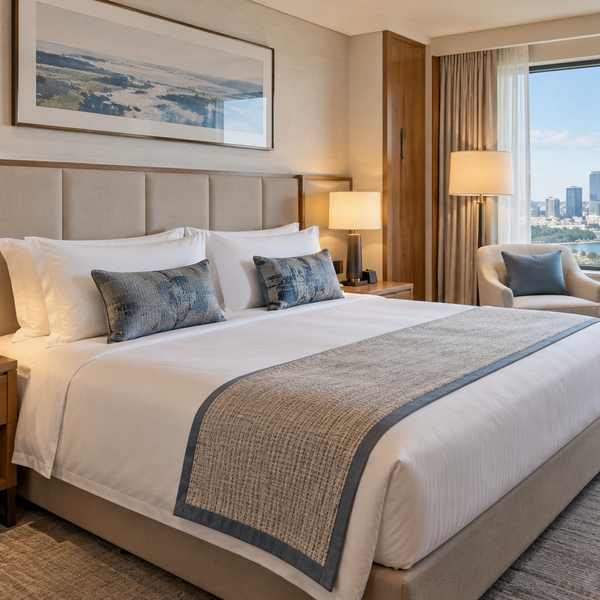
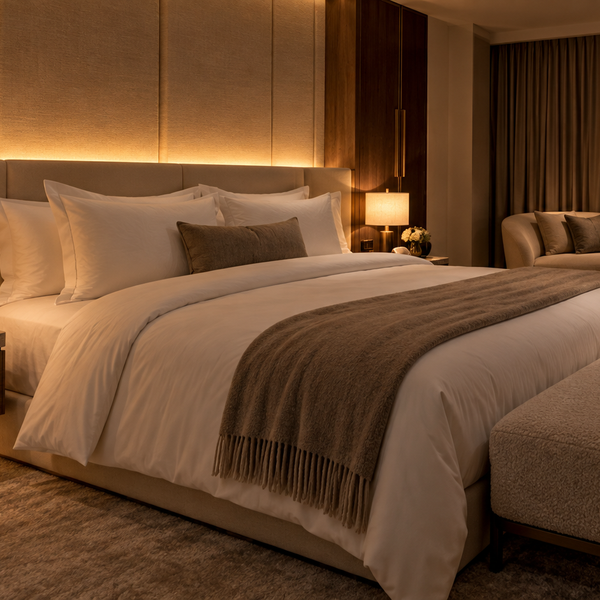
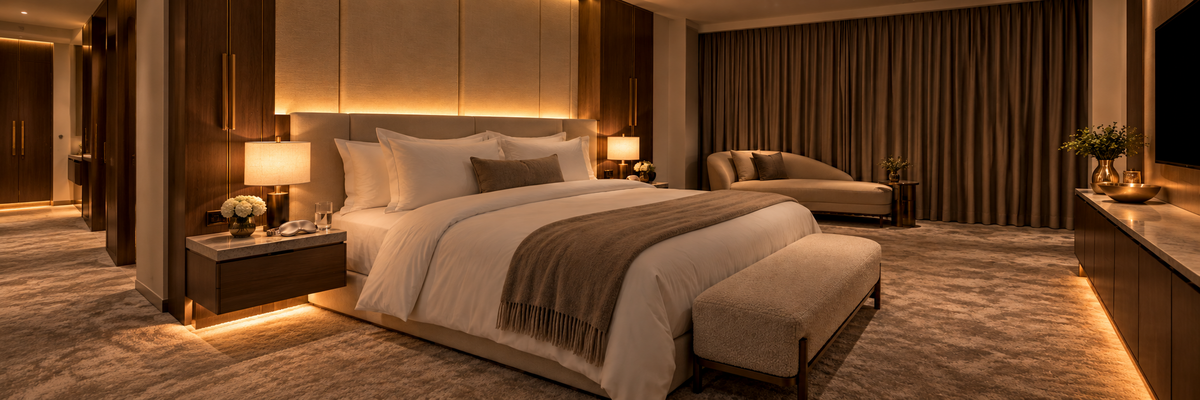
This is the most visible layer. It may include blackout blinds, better sound control, calming lighting, temperature settings designed for rest, upgraded bedding, and in-room features intended to reduce stimulation and support deeper sleep.
Sleep-Focused Routines and Treatments
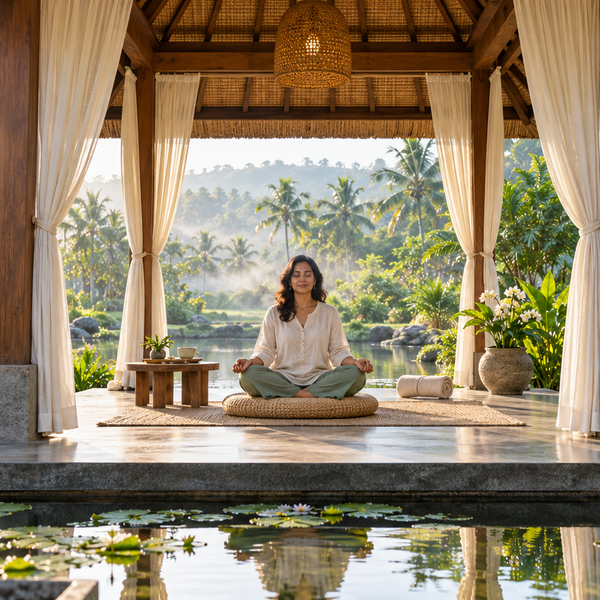
This is often what makes the stay feel more intentional. It may involve evening wind-down rituals, guided breathing, meditation, sleep-friendly spa treatments, sound baths, sleep yoga, or other practices designed to help the body and mind slow down.
More Structured Sleep Support
At a deeper level, some stays may include expert guidance, wellness-led programming, or more specialised sleep-focused support. This is where the category moves beyond comfort and into a more deliberately designed recovery experience.
Why More Travellers Are Prioritising Sleep and Recovery
Sleep tourism is growing because travel is changing and purpose of travel is widening. For a long time, many trips were shaped around activity, sightseeing, and making the most of every day away. Now, a growing number of travellers are placing more value on how a stay makes them feel afterwards, not just on how much they managed to do while they were there. Hilton’s travel trends reporting says two in five travellers choose hotels where they think they can achieve a better night’s sleep, and more than one in four would book a spa or wellness treatment specifically to improve sleep while away. That points to a clear shift: sleep is no longer seen only as a background part of travel, but increasingly as part of the travel value itself.
This change also reflects the pressure of modern routines. Stress, digital overload, irregular schedules, and long-term fatigue are pushing more people to look for travel that restores rather than simply distracts. National Geographic connects the rise of sleep tourism to broader interest in recovery, holistic health, and more intentional forms of rest, while hospitality brands are responding with sleep-focused room features, rituals, and wellness-led programmes. That combination of stronger traveller demand and more visible hotel and resort offerings is what gives the category real momentum. It is not just a new label for a comfortable stay. It reflects a wider change in what many travellers now want from time away.