



Imagine a company announcing that employees who achieve a major milestone will not receive only another routine reward, but a travel experience worth remembering. Suddenly, the goal feels different. It becomes something people can picture, talk about, and work towards with real interest.
Traditional rewards such as bonuses, certificates, and internal appreciation still matter, but they often pass quickly. Cash is spent, certificates are kept aside, and the moment fades. A well-planned incentive trip stays longer because it becomes a memory, a story, and a meaningful reminder of achievement.
This is why incentive trips should no longer be seen as an optional luxury, but as a smart business investment for companies that want to motivate people, recognise performance, and build a stronger workplace culture.
Incentive Trips Make Recognition More Meaningful
Employees appreciate bonuses, certificates, and verbal appreciation, but an incentive trip creates a different level of recognition. It turns appreciation into an experience that feels personal, memorable, and emotionally rewarding.
This matters because people often remember how a company made them feel. A well-planned incentive trip tells employees that their effort has been noticed in a meaningful way, especially when the reward is linked to clear achievements such as sales performance, service excellence, project completion, leadership contribution, or long-term commitment.
For companies, this type of recognition can be more powerful because it connects reward with emotion. It does not simply say “well done.” It gives employees a moment they can carry with pride.
They Ignite Unmatched Motivation
One of the strongest benefits of incentive trips is motivation. When employees know that excellent performance can lead to a special travel experience, goals become more exciting and worth working towards.
Unlike routine rewards, incentive trips create healthy anticipation. Employees begin to see the reward as something they want to experience, not only something they want to receive. This can improve focus, consistency, and commitment across performance-driven roles and departments.
The key is to make the programme clear and fair. When employees understand what they need to achieve and how the trip is earned, the incentive becomes more credible, more inspiring, and more effective.
Breaking the Silos: Ultimate Team Bonding
In the workplace, employees often interact through meetings, deadlines, and daily tasks. Incentive trips give people the chance to connect outside that routine, where conversations feel more natural and relationships can grow beyond job titles.
This is especially valuable when the trip includes employees from different departments, branches, or seniority levels. A shared destination, group activity, or curated experience can create moments that help people understand each other better and communicate more openly.
When employees return, they do not only bring back photos. They bring back shared stories, better connections, and a stronger sense of belonging that can support teamwork inside the workplace.
A Magnetic Tool for Retention and Recruitment
Employees are more likely to stay with a company when they feel valued, recognised, and included. Salary and career growth are important, but the overall workplace experience also plays a strong role in long-term loyalty.
An incentive trip shows that the company understands the human side of work. It gives employees something positive to associate with the organisation, especially when the reward is thoughtfully planned and genuinely connected to their contribution.
For high performers, this type of recognition can make a real difference. It strengthens their connection to the company, reinforces their value, and gives them another reason to continue contributing with confidence.
Giving Your Team a Vision Worth Hustling For
Business targets can sometimes feel like numbers on a report, especially when employees only see the pressure behind them. Incentive trips change that feeling by giving those targets a clear and exciting outcome.
The reward can be connected to individual performance, department goals, company-wide milestones, customer satisfaction, innovation, operational excellence, or project success. This flexibility makes incentive travel useful across different types of companies and teams.
When employees see that achievement leads to a meaningful experience, the target feels more rewarding. It creates a stronger connection between effort and recognition, making performance goals feel less mechanical and more motivating.
Elevating Company Standards and Workplace Morale
Company culture is shaped by what an organisation chooses to recognise and how it celebrates success. When incentive trips are used as part of a reward strategy, they show employees that strong performance, commitment, and contribution are valued in a meaningful way.
This matters whether the trip is awarded for individual achievement, department performance, or a wider company goal. When employees see that success is rewarded with a memorable experience, it creates a culture where people feel encouraged to perform well, take ownership, and stay connected to the company’s standards.
Incentive trips also bring a more human side to the workplace. They show that the company does not only focus on targets and output, but also on appreciation, morale, and employee experience. Over time, this can support a more positive, motivated, and loyalty-driven company culture.
More Than a Reward, A Lasting Investment
People rarely remember a reward because of its cost. They remember it because of how it made their achievement feel. This is where incentive trips stand apart. They give employees a reward they can experience, share, and remember, turning workplace success into something more personal and lasting.
For companies, that lasting impression is the real value. A well-planned incentive trip can continue to influence how employees feel about their work, their contribution, and the organisation they are part of. It becomes a reminder that performance is not only expected, but properly recognised.
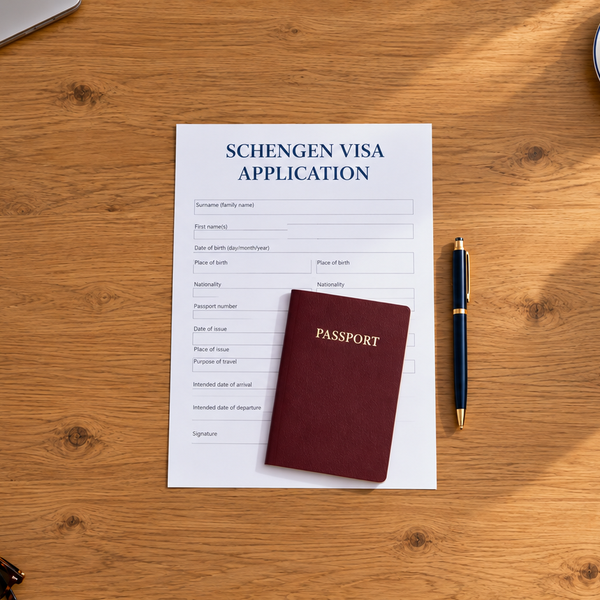
To create that impact, the trip must be planned with intention. The destination, itinerary, comfort, activities, travel documents, transfers, and on-ground support should all reflect the purpose of the reward and the people receiving it.
With a corporate travel partner like Fahed Tourism, companies can manage these details with better structure and confidence. When handled well, an incentive trip becomes more than a celebration. It becomes a meaningful investment in the people who help the business move forward.